BACK TO 1920
“The Wheel of Yesterday”
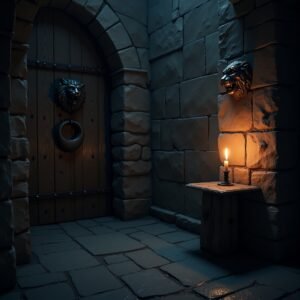
In the dim-lit basement of an old boarding house on the edge of Boston, buried under layers of dust and the echoes of a hundred forgotten tenants, sat a strange, metallic device—round, rusted, and half-covered by an old canvas tarp. Most thought it was junk. A broken carnival ride, maybe. But Henry Caulder, a restless and sharp-minded grad student in theoretical physics, believed otherwise.
He discovered it by accident, looking for something to pawn when rent was due. But when he pulled back the tarp, something about it hummed. Not audibly, but in his bones. Like it was waiting for him.
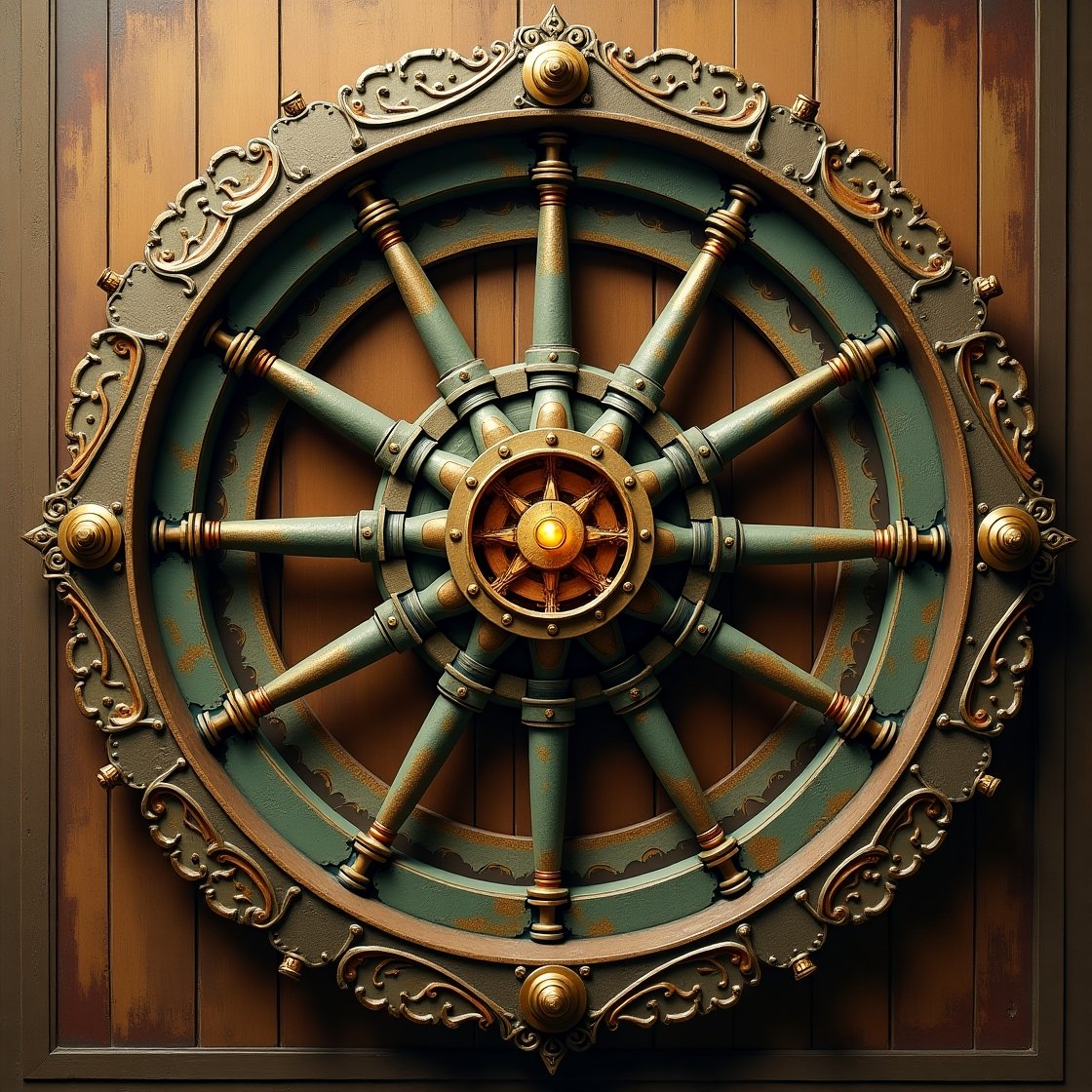
The thing was shaped like a giant wheel—eight feet across, with spokes of copper and brass, and a leather-covered seat built into the center like the eye of a storm. Wires ran like veins across the frame, ending in thick, glass tubes filled with swirling violet light. And carved along its base, nearly worn smooth with time, were three words in Latin:
“Volvitur Tempus Iterum.”
“Time turns again.”
Henry couldn’t resist. With trembling hands, he climbed into the seat and found a row of polished dials. The numbers ranged from 1800 to 2100, each one ticking gently, as if the machine were still alive. Beneath the panel was a single lever, warm to the touch.
He took a breath, looked around at the cluttered basement he hated so much… and pulled the lever.
The world screamed.
Colors melted. Shapes twisted. Time folded inward. Henry felt himself pulled through a tunnel not made of stone or earth, but memory. He saw flickers—his mother at a piano, a burning cityscape, a boy running through rain with a newspaper, shouting headlines about a world war.
And then, silence.
When he opened his eyes, the smell hit first—cigarettes, perfume, engine smoke, and fresh bread. He was still in Boston. But it wasn’t his Boston.
It was 1920.
Men in fedoras walked briskly past Model Ts rumbling down cobblestone streets. Women in cloche hats and knee-length dresses hurried into department stores. A newspaper boy shouted: “Prohibition Begins—No More Booze!”
Henry stood there, stunned. And then he smiled.
He quickly learned to blend in. His modern clothes got a few odd looks, so he visited a tailor and paid in gold coins he’d brought from home—antiques in his time, common currency here.
The city was electric with post-war optimism. Jazz spilled from speakeasies hidden behind bookstores and barbershops. The Roaring Twenties were in full swing.
Henry took a room in a hotel that didn’t exist in his time. He told people he was a writer from Europe researching a novel. And by night, he explored.
He visited jazz clubs and danced with flappers. He debated politics with professors who didn’t yet know how wrong they’d be. He even met a young Howard Carter, weeks before the discovery of King Tut’s tomb.
But the wheel—the machine—haunted him. He had hidden it in a rented garage, wrapped tight in canvas again. Each week, he checked to make sure it was still there. And each time, it seemed to hum louder.
Then he met Evelyn Hart, a singer with a voice like aged honey and eyes that could disarm the most brilliant mind. She sang at a hidden club called The Blue Ember, tucked in an alley that only opened at midnight.
Henry was gone from the moment he heard her voice.
They fell into something like love—something timeless. He told her about the machine. She didn’t laugh.
“Maybe you were meant to find me,” she said once, tracing the edge of his palm like it held secrets. “Maybe time knew you needed something here.”
For months, he stayed. Until the headaches began.
It started as a whisper at the base of his skull. Then came the visions—glimpses of another Henry, walking streets he hadn’t walked yet. One night he saw his own reflection wink at him from a shop window, then disappear.
Reality was unraveling.
The machine wasn’t just moving through time—it was anchoring him. The longer he stayed, the more the fabric of his life pulled at the seams.
One night, Evelyn found him in the garage, staring at the wheel.
“You’re leaving,” she said softly.
“I don’t want to,” he replied.
“But if you stay,” she whispered, “you’ll vanish piece by piece. Like a photograph left in the sun.”
She kissed him one last time, tasted like moonlight and goodbye.
Henry returned to the machine, heart heavier than any theory could explain. He set the dial to 2025. The lever was cold this time, and stiff.
He didn’t know if it would work. Didn’t know what would be waiting on the other side.
He pulled it.
And the world screamed again.
When he woke up, the basement was exactly as it had been.
But there was something different.
On the workbench lay an old, yellowed photograph. It showed a woman in a dark dress, singing into a vintage microphone, her eyes closed.
On the back was a note in looping, careful script:
“Remember the music. – E.H.”
The wheel machine sat quiet now. The lights in its tubes were gone. It had made its final trip.
Henry never tried to fix it. Some things—some people—were meant to stay where they belonged.
But on quiet nights, when jazz plays softly on the radio, he swears he hears her voice again.
Time, after all, turns again.










إرسال التعليق